Martinez Tribune The website of the Martinez Tribune.
BY XAVIER JOHNSON
It’s been a long time coming for fans of The Mars Volta, a standout progressive rock band risen from the ashes of a post-hardcore juggernaut. After 10 years, they’re back together with a new self-titled record that’s a clean slate for the group.
The Mars Volta was created and sustained by guitarist and composer Omar Rodriguez-López and vocalist Cedric Bixler-Zavala. From 2003 to 2012 the band released six studio albums that combined elements of jazz, Latin music, hardcore, and psychedelic rock into a wholly unique sound.
Now in their 40’s, Rodriguez-Lopez and Bixler-Zavala want the band’s sound to change with them instead of trying to conjure what fueled their sound years ago. Both rose to prominence as key members of At The Drive-In, a post-hardcore group that reached legendary status in a short time through their crushing sound and wildly energetic live performances.
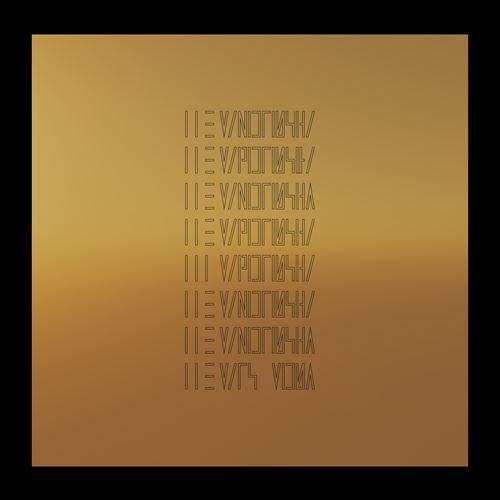
The group was a comet, burning hot and fast, lasting only five years. Following a breakup, Rodriguez-Lopez and Bixler-Zavala reunited and formed The Mars Volta. While maintaining the same off-the-walls energy in their live shows, the music of The Mars Volta was a massive departure from the post-hardcore sounds dished out by At The Drive-in.
With classic albums under their belts like De-Loused in the Comatorium and Frances the Mute. The Mars Volta’s genre-bending records amazed fans before the band’s demise in 2012.
Over the past decade, Rodriguez-Lopez and Bixler-Zavala are reviving their old projects. First, it was At The Drive-In’s comeback tour and new album, In•ter a•li•a, in 2017. The record was decent but lacked the bite from the band’s first three records.
A similar feeling is found in The Mars Volta’s new self-titled album. While there are elements of old Mars Volta; with an emphasis on Latin-inspired sounds and a knack for writing interesting free-flowing tracks; this is not the progressive rock odyssey that a record like Amputechture was.
The Mars Volta, compared to the rest of the band’s catalog, is a pop album with shorter, more linear song structures. There isn’t a single track on this album that is above five minutes. The longest song is the final track, “The Requisition,” at 4:12.
Compare that to The Mars Volta’s previous album Noctourniquet with five tracks exceeding the five-minute mark and only three tracks under four minutes.
This is a turning point in The Mars Volta’s discography and will certainly split the fanbase. The Mars Volta lacks the dynamic range found in previous records, which may drive fans away. However, the songwriting is a breath of fresh air and doesn’t completely diminish what makes the album stand out.

Oftentimes on previous records, the improvisational nature of some instrumental passages would border on uninteresting prog-rock noodling. That is completely absent from this record, instead opting for a cleaner presentation that trades spontaneous experimentation for catchy, focused moments.
“Graveyard Love” is a haunting track that creeps along its 3:14 runtime. It’s a perfect encapsulation of the strengths of this record. Every second contributes to an overall mood. The instrumentation, highlighted by a stellar performance on the drums by Willy Rodriguez Quiñones, is enhanced by Bixler-Zavala’s voice which sounds as good as ever.
“Vigil” is another great song that shows the strength of The Mars Volta’s new approach. It’s a stripped-down folk-rock track with a dash of psychedelic rock, merging into an entrancing trip among the clouds. “No Case Gain” leads with a sassy, expressive vocal performance from Bixler-Zavala backed by a nifty little jam.
The general structure of songs isn’t all beneficial. The meat was left on the bone in several tracks. “Qué Dios Te Maldiga Mí Corazón,” is incredible for the 1:41 it lasts. The track harkens back to the band’s landmark records from the 2000’s, with explosive energy and seemingly endless layers. Unfortunately, the song comes as quickly as it goes. It’s ultimately unsatisfying, leaving the listener wondering what that idea could have blossomed into.
The opening song, the Spanish-English hybrid “Blacklight Shine,” is another solid listen featuring a catchy melody that ends far too soon. It’s not reasonable to expect Rodriguez-Lopez and Bixler-Zavala to create the same music they used to, but there is room in a pop album to dive deeper and challenge the listener further.
For most bands, a late-career self-titled record is a way to reset their identity. The Mars Volta isn’t the same band they were ten years ago; that much is evident. Anybody coming into this expecting another De-Loused in the Comatorium will be disappointed. The record is good without the context of the group’s previous work.
Progressive rock can often become anything but. Like any genre, prog bands fall into the same tropes and rehash sounds. In many ways, what The Mars Volta is doing on the new record is the truest expression of progressive rock. Their sound evolved and they’re making music that challenges the listener, not with complexity and technical wizardry, but with simplicity.